



Spring Cleaning 101: Store Your Snow Blower and Prep Your Battery-Powered Lawn Mower
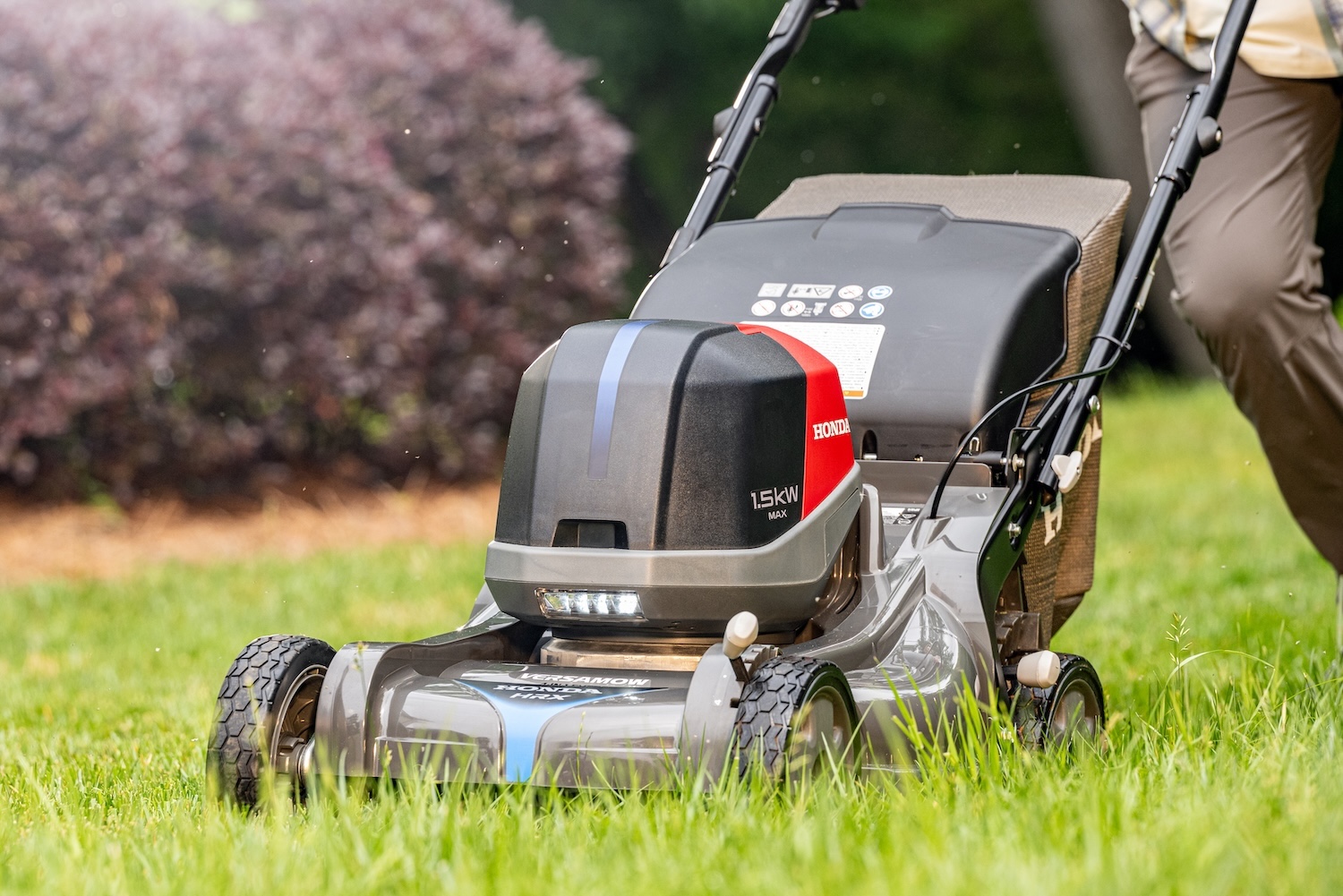
The Ultimate Spring Cleaning Checklist: Storing Snow Blowers and Prepping Lawn Mowers
Let’s start with a simple step-by-step action plan for transitioning from winter to spring. As with any power equipment, be sure to refer to the owner’s manual for complete instructions for storing and prepping your snow blowers and lawn mowers.
Step 1: Conduct a Quick Equipment Audit
Before you get started moving heavy equipment, fi rst take a full inventory of all your garage tools. Make sure to account for all seasonal equipment.
Since you’ll be moving things around, this is also a good opportunity to give your storage space a quick cleaning. Look for things you can get rid of to de-clutter, like broken tools, trash, and equipment that still works, but that you don’t use anymore.
Next, you’ll need to categorize your remaining tools into two groups: those you plan to move into snow blower off -season storage, and those that may need immediate maintenance or replacement parts, such as new mower blades.
Step 2: How to Prep the Lawn for Spring
Once your garage/shed space is prepped, it’s time to get your lawn ready for spring maintenance. Start by clearing the yard of anything that might damage mower blades or the deck, such as:
- Fallen branches
- Stones
- Accumulated winter debris
- Pet toys
It’s crucial to clear your lawn before jumping right into spring maintenance. Lawn prep for spring helps prevent damage to your battery-powered mower during the fi rst cut of the year.
Step 3: Clean and Store the Snow Blower
Before you put your snow blower in storage, it’s a good idea to give it a cleaning and inspection. Remove any corrosive salt and winter grime that may have built up on the housing.
Make sure the exterior is completely dry to prevent rust. You might also apply a light coat of rust preventative to any exposed metal surfaces.
Here are some tips for selecting a snow blower spring storage location for your snow blower:
Dry: Choose a space that doesn’t allow moisture to permeate.
Ventilation: A space with good airfl ow prevents moisture and dust from accumulating.
Avoid sunlight: Reducing UV exposure helps extend the life of the plastic shrouds.
Keep off ground: If you don’t have an enclosed storage space or your shed has a dirt fl oor, store the snow blower on wood blocks or ramps to prevent rusting.
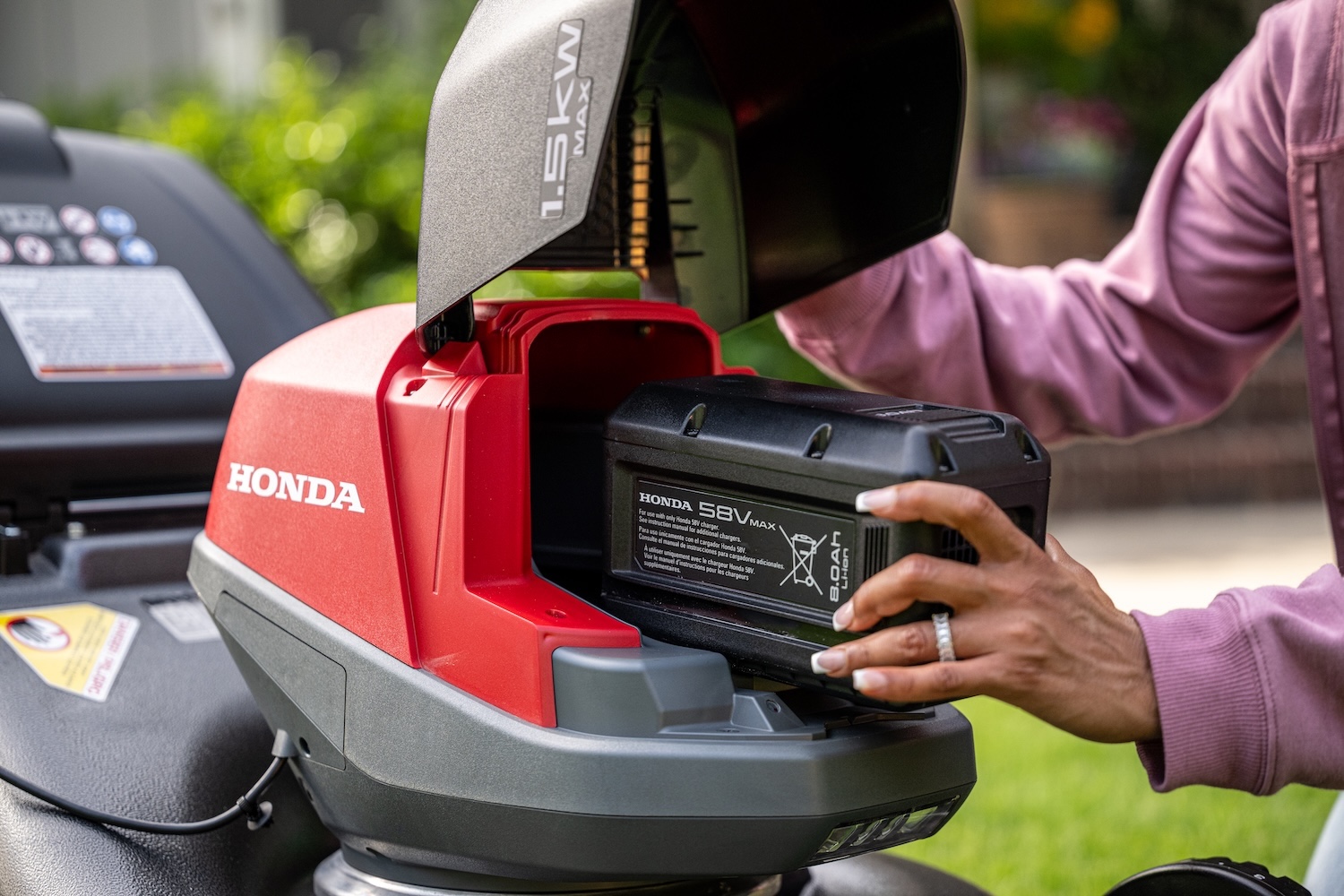
Step 4: Conduct a Visual Inspection of the Battery-Powered Mower
Now that you know how to store a snow blower in the garage safely, it’s time to check on your battery-powered mower. Here’s how to inspect your mower deck:
Remove battery: Before conducting any maintenance inspections, remove the battery to prevent injury (this is a good time to recharge the battery as well).
Clean off debris: Remove any buildup using a scraper, followed by a damp cloth (keep moisture away from battery housing and electrical components).
Use PPE: Wear gloves and safety glasses, as this step can get messy.
Apply non-stick spray: Use a commercial non-stick mower deck spray to make future cleaning easier.
Inspect underside: Check for cracks and damaged blades, as well as blockages and built-up clippings.
Verify parts move freely: Check that the wheels and height adjustment lever move freely without any blockages.
Remove battery: Before conducting any maintenance inspections, remove the battery to prevent injury (this is a good time to recharge the battery as well).
Use PPE: Wear gloves and safety glasses, as this step can get messy.
Inspect underside: Check for cracks and damaged blades, as well as blockages and built-up clippings.
Clean off debris: Remove any buildup using a scraper, followed by a damp cloth (keep moisture away from battery housing and electrical components).
Apply non-stick spray: Use a commercial non-stick mower deck spray to make future cleaning easier.
Verify parts move freely: Check that the wheels and height adjustment lever move freely without any blockages.
Step 5: Transition from Gas to Battery Maintenance Mindset
One of the biggest advantages of battery-powered mowers over gas mowers is that they are much lower maintenance. Traditional gas mowers require additional maintenance like oil changes and fuel stabilizers.
However, there are still a few minor steps you should take to ensure the health of your electric mower. During your inspection, look for any worn electrical parts and make sure the battery housing is free of dust and trimmings.
Step 6: Optimize Blade and Traction Components
Sharp blades are key to a clean, even cut and mowing a beautiful lawn. Using Honda’s exclusive twin-blade system, our battery-powered mowers off er four cutting surfaces for superior mulching and bagging.
If your mower blades are dull, you may need to bring them in to a dealer to remove and sharpen them. Large pits, on the other hand, may require replacement.
On self-propelled mowers like Honda’s HRX and HRN models, it’s also important to check tire condition and drive controls. Inspect your mower’s tires for wear and traction. Make sure your drive belt has the proper tension and that the mower accelerates and steers correctly.
Step 7: Master Battery Care and Terminal Health
While inspecting and cleaning your mower, you’ve hopefully had the batteries on the charger. It’s common for batteries to lose some charge over the months of sitting unused. Once your mowers are in good condition, it’s time to check the battery levels.
Before you replace the batteries, check the housing and interface to ensure a clean, oxidation-free contact area. To prevent corrosion and other battery housing issues, it’s important to maintain proper storage and operating temperatures. This protects long-term battery capacity and runtime.
Get Professional Results with the Honda Battery-Powered Mowers
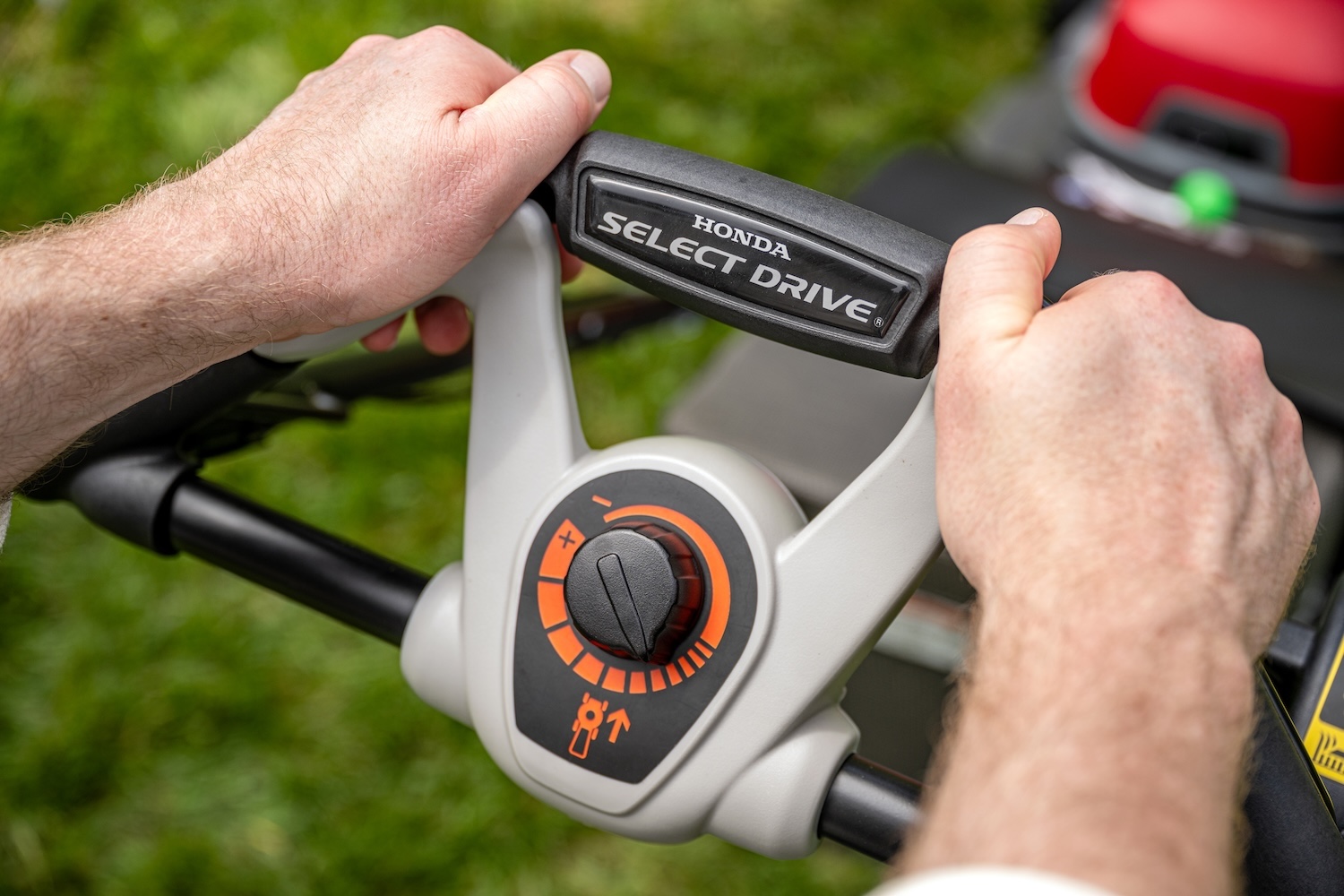
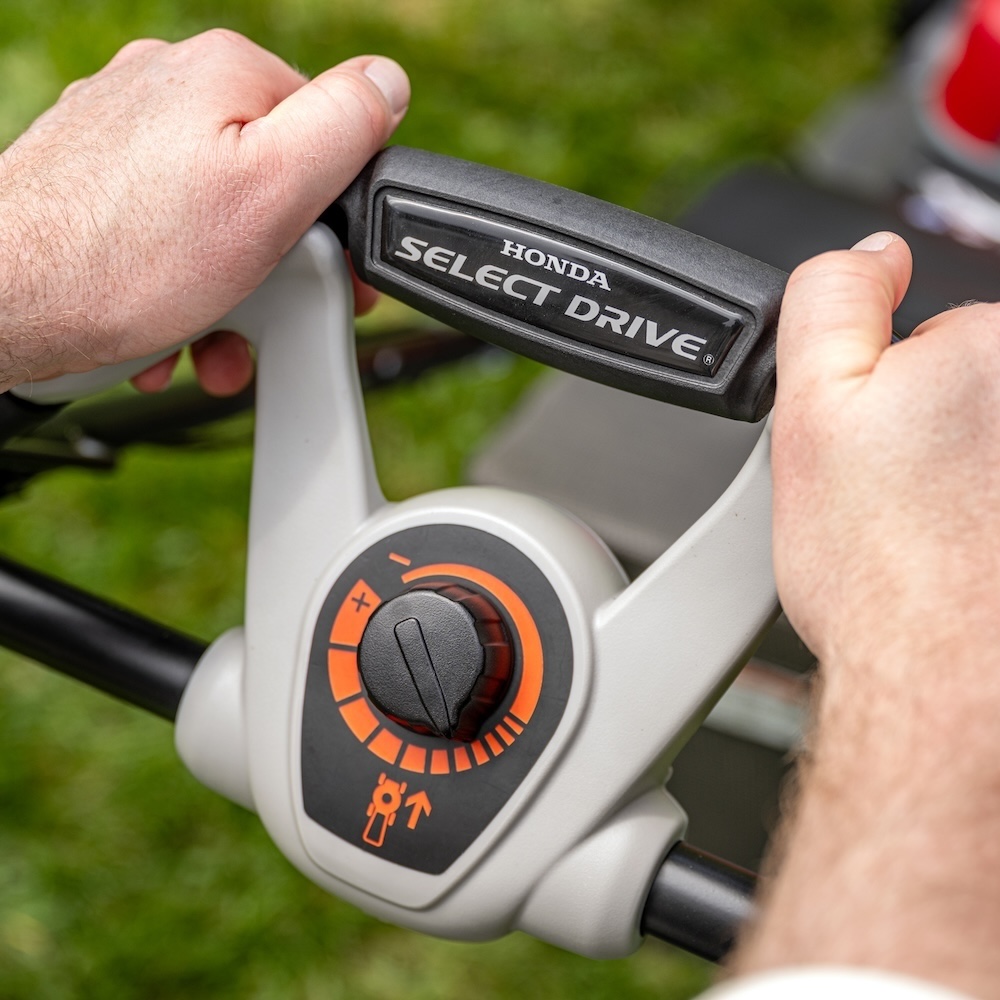
To get the most out of Honda’s signature precision cut quality, being diligent about your equipment maintenance is key. Even for thick spring grass, our electric mowers provide powerful torque for a clean cut all spring.
Not only do well-maintained drive controls provide smooth operation, but they also create a more ergonomic mowing experience. Honda’s Select Drive® and Cruise Control systems off er superior comfort even in longer mowing sessions.
For any homeowner who takes pride in their outdoor space, Honda’s electric mowers are the best battery-powered off ering available. The exclusive twin-blade system provides superior mulching and bagging for a competitive advantage over other models.
Honda’s HRX, HRN, and HRC series of battery-powered mowers are the leaders in residential-grade battery technology. These machines are engineered to deliver reliable power for keeping your lawn looking pristine.