



Summer Thunderstorms and Power Surges: Protect Your Home With a Portable Generator
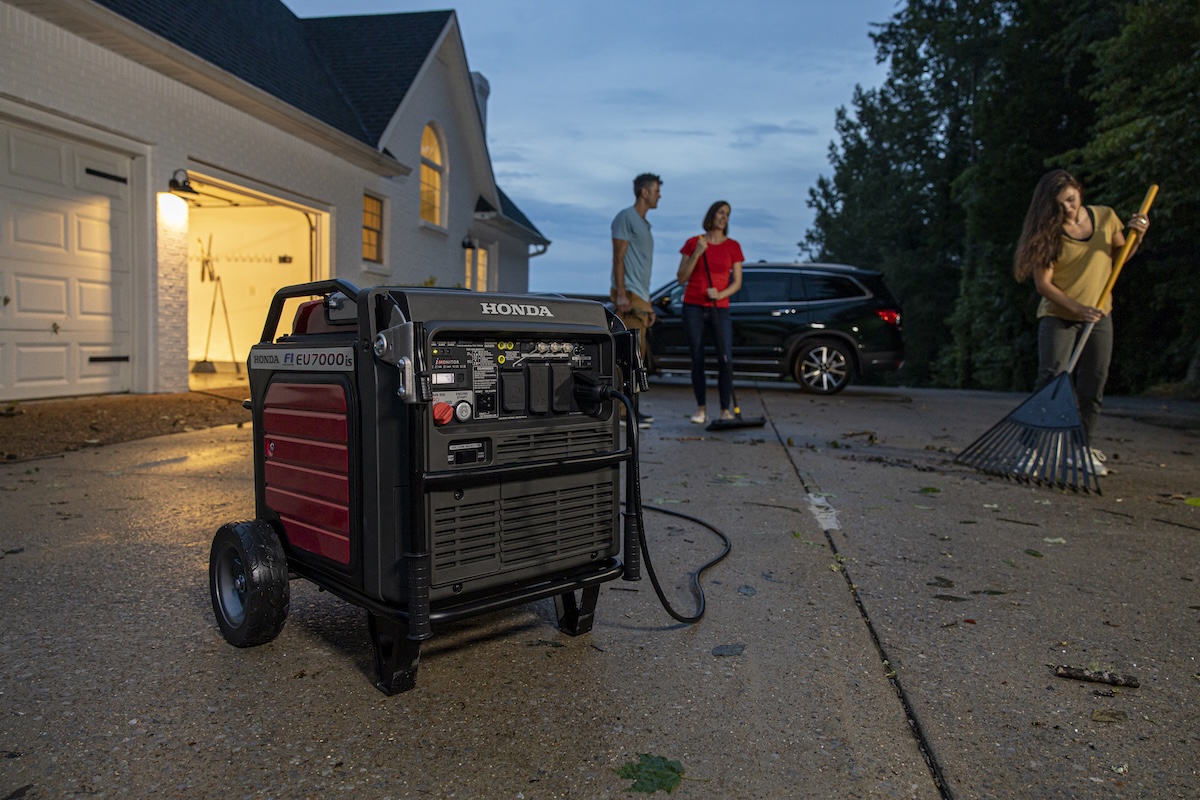
Summer thunderstorms are one of the most common causes of seasonal power outages. The accompanying severe weather patterns (lightning, high winds, fallen trees, etc.) can easily disrupt power with little notice.
Backup power planning is a great way to ensure your home is safe and comfortable during a power outage. And Honda generators are one of the top choices for home backup power when preparing for summer thunderstorms.
In this guide, we’ll walk you through basic power outage prep, and give you an idea of what you can expect in the event of a thunderstorm or hurricane. We’ll also explore how a portable generator can keep your home’s essential appliances running and your family comfortable during a storm.
How Summer Thunderstorms Affect Your Home's Power
It’s common knowledge that power outages are likely in a thunderstorm, but what is it about bad weather that specifically makes the power go out? Common culprits include:
- Fallen trees: Strong winds can cause trees to fall over or snap branches off onto power lines or poles.
- Lightning: Tall structures like power line poles and transmission towers can attract lightning strikes, which can overload transformers and create power surges.
- Flooding: Heavy rain can flood substations, in which case utility companies shut off power to prevent electrical hazards.
As a homeowner, you may experience the effects of thunderstorms on power as:
- Brief interruptions
- Extended outages
- Voltage fluctuations
- Power surges
Even with today’s advanced weather tracking technology, thunderstorms can be sudden and unpredictable. Prepare for action by getting your backup power plan ready before the storm season begins.
What is a Power Surge?
Let’s take a quick look at the difference between power outages and power surges:
- Power outage: A complete loss of electrical power (lights go out, no internet, etc.)
- Power surge: A sudden increase in electrical voltage that can cause damage to home appliances and electronics, as well as circuit boards
Why a Portable Generator Is Useful During Summer Storm Season
When the summer storm season starts, having a portable generator ready to go offers several advantages during a power outage.
Backup Power
Portable generators provide a temporary source of electricity that can help you maintain access to essential appliances and devices until power is restored. With backup power in place, you can keep the lights on and wait out the storm without having to rely on candlelight.
Comfort and Safety
Generators can also power appliances to keep you comfortable during storms, such as fans and air conditioning units. Beyond home comfort, you can use a generator to charge safety essentials, such as:
- Medical devices
- Fridge/freezers
- Lights
- Routers/modems
- Phones (so you can stay informed about weather updates)
Protecting Food Supplies
Your Honda generator preserves the freshness of your food supplies by maintaining safe temperatures for things like dairy, meat, and eggs. Enjoy the peace of mind knowing you have a fully stocked kitchen to ride out the storm and its aftermath with your family.
Stopping Flooding
Stay ahead of heavy rainfall and flood risks by ensuring you have reliable backup power for your sump pump. Consistent and reliable power is necessary to manage excess water until the utility companies restore service. Your Honda generator helps keep your home dry, safe, and comfortable while you wait.
How to Choose the Right Generator For Summer Thunderstorms
For home backup during a power outage, there are many home generator options to choose from. The right one for you depends on several factors.
Portable vs. Inverter Generators
What do you plan to use your generator for during a power outage? For example, do you need a higher power output or a generator that can power multiple household essentials?
The most common type of home generator is known as a portable generator. While they can be used for travel, the term “portable” just means it isn’t attached or permanently mounted, so you can move it around.
Inverter generators provide a “clean” power flow with less distortion, meaning they can directly power sensitive electronics like phones and laptops. Non-inverter generators provide more raw power with higher wattage, but are also noisier and heavier.
Size
Home generators range from less than 30 lbs to over 400 lbs. If you have limited space, or you need to be able to easily move your generator around, a smaller option might be a better fit.
Wattage
You also need to balance the size of your generator with its power output, typically measured in wattage. Calculate how much power you need by identifying all the necessary appliances and devices that draw power (fridge, air conditioning, lights, etc.). Note the running wattage for each of these, and add them up. The total is the minimum running wattage your generator needs to supply.
Here’s an example:
- Air conditioner - 1500 watts
- Fridge/freezer - 200 watts
- Lights - 60 watts
- TV - 300 watts
- Electric range - 2000 watts
The calculation for all of these appliances and devices would be 1500 + 200 + 60 + 300 + 2000 = 4060 watts.
Run Time and Fuel Efficiency
In severe storms, power outages can last for days, so you also need to plan for fuel needs and generator runtime. Generators can run anywhere from 6 to 14 hours or more on a tank of gas, depending on how many appliances you power with them.
Get the most out of your investment with a fuel-efficient Honda generator that reduces long-term costs and extends your run time during an outage
Portability and Storage
When you aren’t using your generator, you’ll need a place to store it. The best storage locations are cool, dry, and away from the elements. You should also identify where to place your generator during a storm.
Don’t store your generator near your living area and never run it in a garage. Otherwise you risk toxic fumes getting into your home or accidental damage.
Additionally, use a fuel stabilizer for short-term storage (one week to one month) or drain the fuel out of the tank for long-term storage.
Noise Level
Before buying a generator, check the specs to see how loud it is while running, and make sure it’s in compliance with local noise ordinances in your area.
Outlets and RV-Ready Features
What will you be using the generator for? Where will you be using it, and what special features might you need?
If you plan to use the generator for applications other than home backup, such as powering an RV or taking it camping, you may need specific features like a 120/240V selector or a wheel kit.
How to Safely Use a Portable Generator During a Thunderstorm
Portable generators help protect your comfort and safety during a thunderstorm when operated according to instructions and safety guidelines.
Here’s a brief overview of guidelines for safe generator usage. However, you should also refer to the owner’s manual for complete instructions.
Outdoor Use Only
Only use the generator outdoors and never inside your home or other buildings, like sheds or garages. Generators run on gasoline, and produce harmful exhaust containing carbon monoxide.
Proper Placement
It’s essential to place your generator on a flat, stable surface in a dry place, with proper ventilation in order for it to run properly and safely. Keep your generator at least 20 feet away from windows, doors, and vents.
Carbon monoxide poses a serious safety risk in a confined space. If you use a generator for your home, you should also use a battery-powered CO detector.
Protection from Water and Debris
Summer thunderstorms often bring heavy rain, wind-blown debris, flooding risks, and electrical hazards. All these elements can pose safety risks to your home and your generator.
To protect your generator from these hazards, keep it away from puddles and flood-prone areas. Never run generators in the rain, and carefully review the manual and safety instructions for approved weather protection methods.
Powering Down
Turn the generator off and allow it to cool down before refuelling or performing any maintenance.
Fuel Safety
Avoid spilling fuel around the generator, and keep fuel away from ignition sources. If you do spill any fuel, clean it up promptly.
Surge Protection
Use surge protection for appliances like computers, TVs, smart devices, and gaming systems. This precaution prevents a power surge from damaging electronics.
Generator Safety Checklist During a Summer Storm
Here’s a safety checklist for what to do with your generator before, during, and after using it:
-
Before Use
- Check your generator’s fuel and oil levels
- Examine all cords and cables for damage, including extension cords
- Verify the operating area is clear
- Review safety instructions
- Identify where to put a generator during a storm for safety
- When a storm is approaching, always treat extra fuel with a fuel stabilizer
-
While the Generator is Running
- Monitor fuel usage
- Keep an eye out for unusual noises or signs of damage
- Keep the operating area clear of debris at all times
- Avoid overloading circuits
- Watch for warnings about overheating or carbon monoxide
-
After Use
- Turn the generator off
- Allow it enough time to cool down
- Refuel carefully
- Clean up any spills immediately
General Summer Storm Safety Tips
During a thunderstorm, these are some general safety tips you should keep in mind:
- Stay inside until weather forecasts show it’s safe to leave.
- Note that mobile homes, trailer homes, and RVs are unsafe during severe thunderstorms.
- Use battery-powered lights and flashlights.
- Prepare an emergency supply kit containing essentials like water, non-perishable food, flashlights, and a first aid kit.
- Put together an emergency plan for extreme storms, especially for families with children, pets, and elderly family members.
Learn More About Honda Generators
Choosing the right generator will help you stay ready for summer thunderstorms and power surges. Honda offers a wide range of generator sizes, including quiet, fuel-efficient options to keep your family safe and secure through power−related emergencies.
Most portable Honda generators have CO−MINDER™ built-in, Honda’s advanced carbon−monoxide monitoring system for safe operation. If CO levels near the generator get dangerously high, this smart feature shuts the generator down.
Honda’s signature generator series options include:
- EU Super Quiet: Lightweight, quiet, and fuel-efficient inverters, ideal for light-duty emergency backup and recreation
- EM Deluxe Series: Feature-packed heavy duty home backup generators, ideal for powering large appliances
- EG Economy: Budget-friendly heavy-duty generators that supply reliable power but with fewer smart features
Prepare for Power Outages with Honda Generators Choosing the right Honda generator
Thunderstorms can easily knock out your power for hours or even days. A generator is a powerful tool to keep your home protected during an outage. Generators can run comfort items like lights and chargers, but it can also keep your food supply safe by running your fridge and freezer.
Honda offers a broad selection of portable generators to suit everything from light backup power to extensive power solutions. Compare generators based on size, wattage needs, and runtime to see which one is right for you.
Shop Honda generators today or find a dealer to learn more about our wide range of generators and find the best one for your specific needs.
FAQs
Can you run a generator during a storm?
No, you should generally avoid running a portable generator during a thunderstorm. If you operate a generator in the rain, you risk electric shock or damaging your unit.
How far should a generator be from a house?
A portable generator should be at least 20 feet away from the home to prevent carbon monoxide from getting into windows or vents.
Can a generator protect against power surges?
Yes, using a generator provides a secure power source that isolates your home from utility grids. However, you should still use surge protection for sensitive electronics to maintain maximum safety.
What appliances should I prioritize during a storm outage?
Prioritize essentials like medical devices and the fridge for safety, then consider basic comforts like lights and air conditioning.
What size portable generator do I need?
To choose the right generator size, add up the running wattage of all the appliances you plan to power, and use that to identify your wattage needs. You should also account for portability and weight, as well as storage space requirements.
Which Honda generators are best for storms?
Honda offers several good generators for home backup during a thunderstorm. The EU series offers lightweight, quiet inverter generators for powering small appliances, and larger generators for heavy-duty home backup.