Hurricane Preparedness Checklist: Using a Honda Generator Safely Before, During, and After the Storm
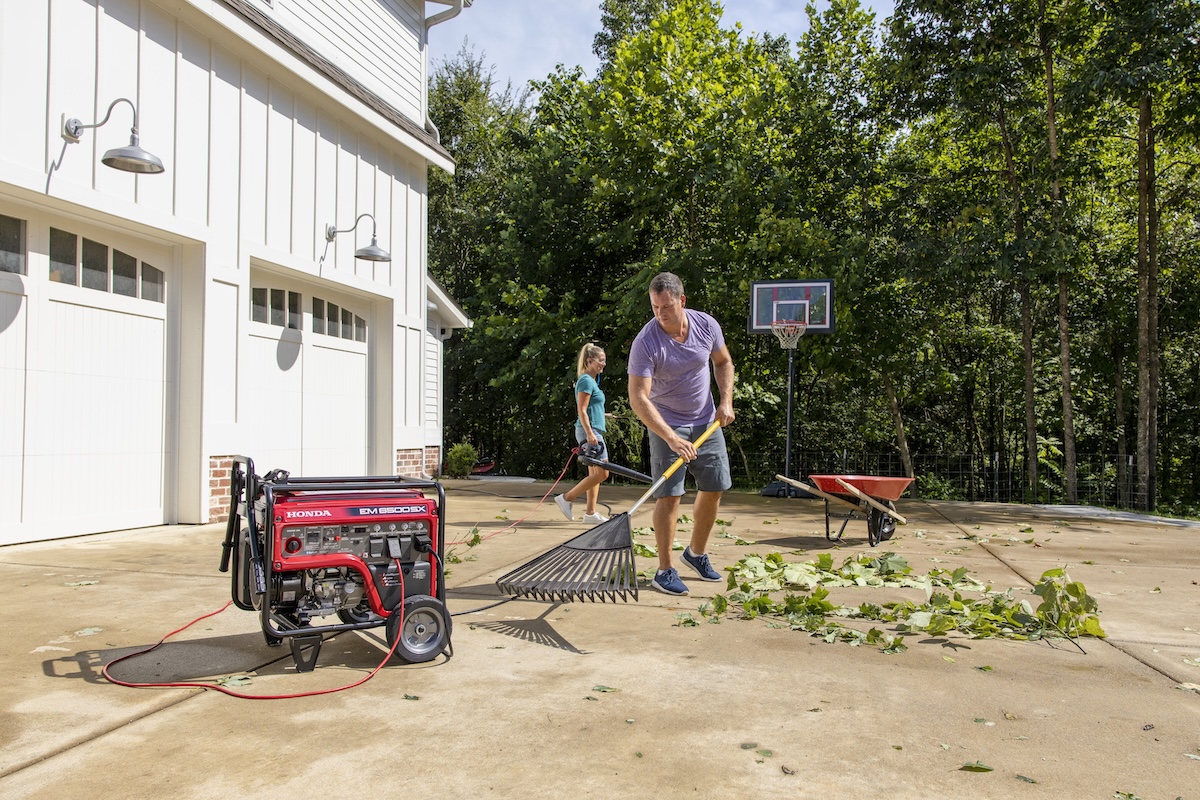
The Atlantic hurricane season generally runs from early June to late November, during which time the Atlantic basin experiences a higher frequency of cyclones, tropical storms, and hurricanes.
Hurricanes and tropical storms increase the likelihood of widespread power outages through extreme winds, heavy rain, and lightning strikes. Power outages strike with little warning during hurricanes, so start preparing before a storm arrives.
One of the most important aspects of emergency planning is backup power. In this guide, we’ll walk you through choosing the right generator for backup power in a storm. We’ll also offer a checklist for how to prepare for a storm with your Honda generator.
Why a Generator Is an Important Part of Hurricane Preparedness
Hurricanes and tropical storms create prime conditions for extended power outages. Strong winds can blow trees over or break branches. Power stations can become flooded, necessitating emergency shutdowns. Lightning can strike towers and overload transformers.
Power outages resulting from hurricanes can last anywhere from a few hours to multiple days depending on the severity of the damage, as well as the location of the outage. Urban areas typically have more robust response teams to repair electrical infrastructure. In less densely populated areas, outages may last longer.
Some of the most important devices and appliances to keep powered on during an outage include:
- Refrigerators and freezers: Supplying power to the refrigerator ensures your food maintains the temperatures necessary for freshness and safe consumption.
- Medical devices: Treat essential devices you rely on for medical conditions as a priority, such as ventilators, CPAP machines, or power wheelchairs.
- Communication devices: Having a phone or computer charged can help you track weather updates and keep you connected to emergency services.
- Lighting: With backup power for your lights, you can skip the candles and flashlights.
- Fans and comfort appliances: If you live in an area with extreme temperatures, having air conditioning or heat might be a safety requirement as much as a comfort.
- Sump pumps and water management: Homes with a sump pump in the basement need to keep it powered on to prevent flooding and water damage.
How to Choose the Right Generator for Hurricane Season
You should choose a generator before hurricane season begins so you have time to prepare. Here are some tips for how to choose a generator for hurricane season:
Portable vs. Inverter Generators
To choose between an inverter generator and a conventional portable generator, you should first ask yourself what the primary use will be for your purposes. Do you need raw power for home backup, or something light and quiet to run some small appliances and charge your devices?
Conventional generators supply unfiltered alternating current (AC). While raw AC is ideal for powering heavy equipment and appliances, it’s also more unstable, and can damage devices like phones or laptops.
Inverter generators use a built-in inverter to convert AC to direct current (DC), then invert the current back to “clean” AC that’s stable enough for sensitive devices. While these generators are more efficient than conventional generators, they’re also more expensive, and usually don’t supply as much raw power.
Size
One of the biggest questions you’ll need to answer is “What size generator do I need for a hurricane?” You should account for how much space you’re realistically willing to allocate to storage when you aren’t using your generator. A larger generator provides the power you need to keep essentials running, though it often requires more space and is less portable. Your storage availability and power needs will help inform what size generator for hurricane season.
Wattage
Part of knowing how to choose the right generator before hurricane season is comparing wattage. To calculate how much power you need your generator to produce, list all the appliances and devices you need to power (e.g. fridge, air conditioning, microwave, lights, chargers). Find the running wattage for each of the appliances, and add them up. The total is the minimum running wattage your generator needs to supply.
Run Time and Fuel Efficiency
Extended power outages during hurricane season can sometimes last for days, so fuel planning and run time are important factors to consider when buying a generator. Keep in mind that the estimated runtime listed on product specs doesn’t account for running the generator at full capacity. Pushing the running wattage to the limit will shorten a generator’s runtime.
Fuel-efficient generators consume less fuel to provide long-lasting power in an outage. The most efficient generators also tend to be quieter while running, and reduce your carbon emissions.
Portability and Storage
Before buying, think about where and how to store your generator. The best storage locations are cool, dry, and away from the elements. You should also identify where to place your generator during a storm.
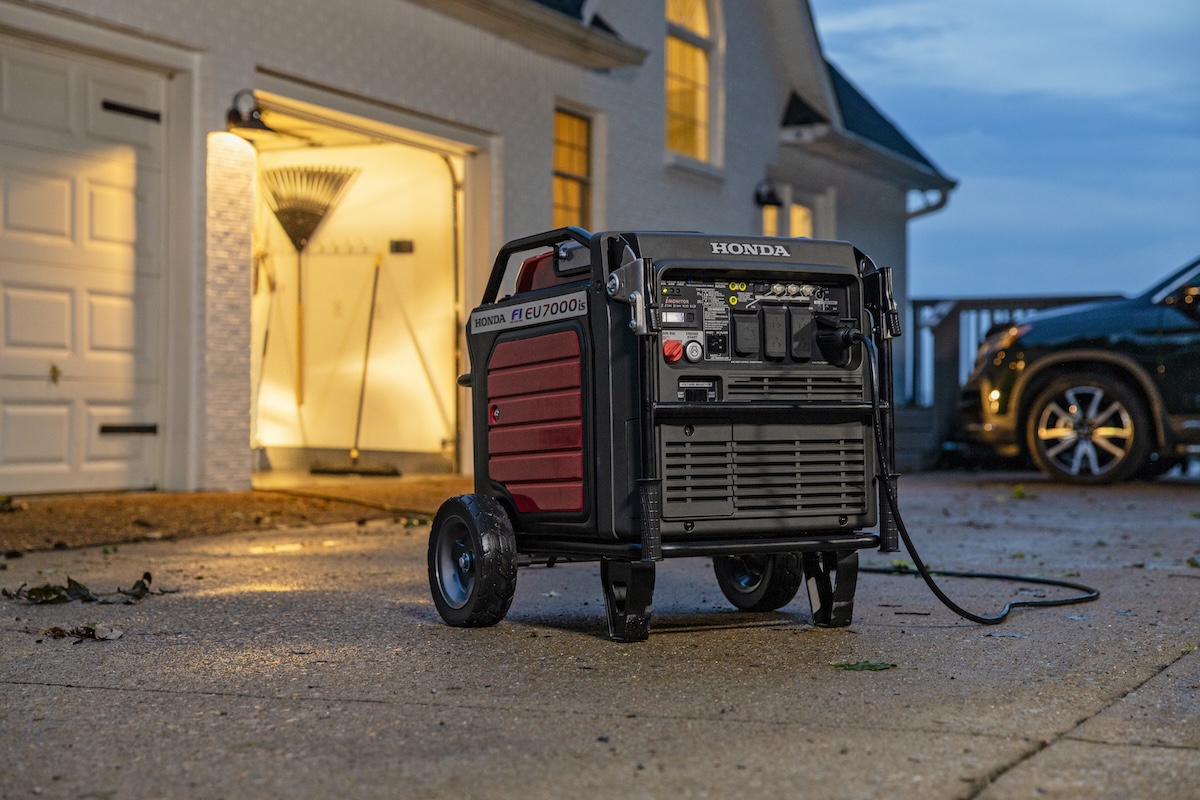
Place your generator in a well-ventilated outdoor area to keep your family safe from toxic fumes. Honda generators include CO-MINDER™ carbon monoxide detection to provide you with peace of mind during the storm, but safe placement is also crucial.
Ensure your generator is ready for action by adding a fuel stabilizer for short-term storage or draining the tank before a long-term break.
Outlets and RV-Ready Features
Consider where you plan to use your generator, and any special features you might need. For applications beyond home backup, such as powering a camper or outdoor events, you may need specific features like a voltage adapter.
Hurricane Preparedness Checklist Before the Storm
Here’s a checklist for preparing for a hurricane before a storm:
1. Inspect Your Generator
- Test-start the generator
- Check the oil level and the air filter
- Verify fuel condition
- Check the generator for damage or leaks, including cords and cables
- Confirm battery condition (if necessary)
2. Gather Supplies
Make sure you have the following on hand:
- Fresh fuel
- Approved fuel containers
- Extension cords specifically for outdoor use
- Heavy-duty power strips
- Flashlights
- Spare batteries
- Oil and maintenance supplies
3. Review Generator Safety Procedures
Take basic safety precautions, such as:
- Read the owner's manual
- Understand how to start the generator
- Understand how to shut the generator off
- Ensure all family members are aware of the safety precautions
4. Put Your Generator in the Right Place
You may be wondering whether you can run a generator during a hurricane. The answer is yes, but it’s crucial to keep your generator out of the elements. Avoid running your generator in the rain or wet conditions. Wait for the rain to pass or use a specialized generator tent that keeps the unit dry while providing proper ventilation for exhaust.
It’s very important that you never run your generator indoors. Keep it at least 20 feet away from your home, and never run it in a confined space that can trap carbon monoxide. Keep the generator away from windows, doors, and vents as well.
Positioning your generator correctly is crucial for proper operation as well as safety. Place it on a flat, stable surface, in a dry place, with proper ventilation.
5. Prepare an Emergency Supply Kit in Advance
Plan ahead for the potential of empty store shelves or blocked escape routes. Before hurricane season starts, put together an emergency supply kit. Your kit might include essentials like:
- Clean drinking water
- Non-perishable food
- Flashlights
- Batteries
- First aid kit
- Soap, hand sanitizer, and/or moist towelettes
6. Put Together an Emergency Plan
You should also have an emergency plan in place if the weather becomes dangerous. For sheltering in place, have a designated area where you can take shelter in the event of strong winds. Choose a small, windowless, interior room like a bathroom.
Consider the needs of your whole family, including elderly family members, children, and pets. Maintain a supply of the medications you need, double-check the expiration dates, and stock up on enough pet food to last a few days.
Know where you plan to go and how you plan to get there if you’re advised to evacuate. Mobile homes and manufactured homes are insufficient for sheltering in place during a hurricane.
Safety Tips for Operating a Generator
Here are some safety tips for using a generator:
- Position the generator correctly, placing it on a level surface and keeping it away from moisture and extreme temperatures.
- Do not run the generator in the rain, as this can lead to electric shock or damage your generator.
- Use proper extension cords and connections to avoid overloading the generator and avoiding electrical hazards.
- Avoid connecting the generator directly to a wall outlet; use a transfer switch instead.
- After a storm, you can safely move the generator after shutting it off and letting it cool down.
-
To refuel safely:
- Turn the generator off before refueling.
- Allow it to cool down.
- Avoid spills.
- Keep fuel away from ignition sources.
- Monitor your generator for unusual noises, warning indicators, fuel consumption, and run time.
- Carbon monoxide is colorless and odorless, but it’s fatal if you breathe it in for too long.
NOTE: Carbon monoxide poisoning comes with flu-like symptoms, headache, dizziness, and nausea. Enough exposure can lead to shortness of breath, unconsciousness, and eventually death. Install a battery-powered CO detector in your home before operating a generator.
Which Honda Generator Is Best for Your Needs?
Picking the best generator for your home is a great way to be prepared for hurricane season. Honda offers generators ranging from lightweight inverters to heavy-duty, home backup options to protect your family during an emergency outage.
Most portable Honda generators feature CO−MINDER™, Honda’s carbon monoxide monitoring system that automatically shuts off the generator if CO levels get too high.
Honda’s signature generator series options include:
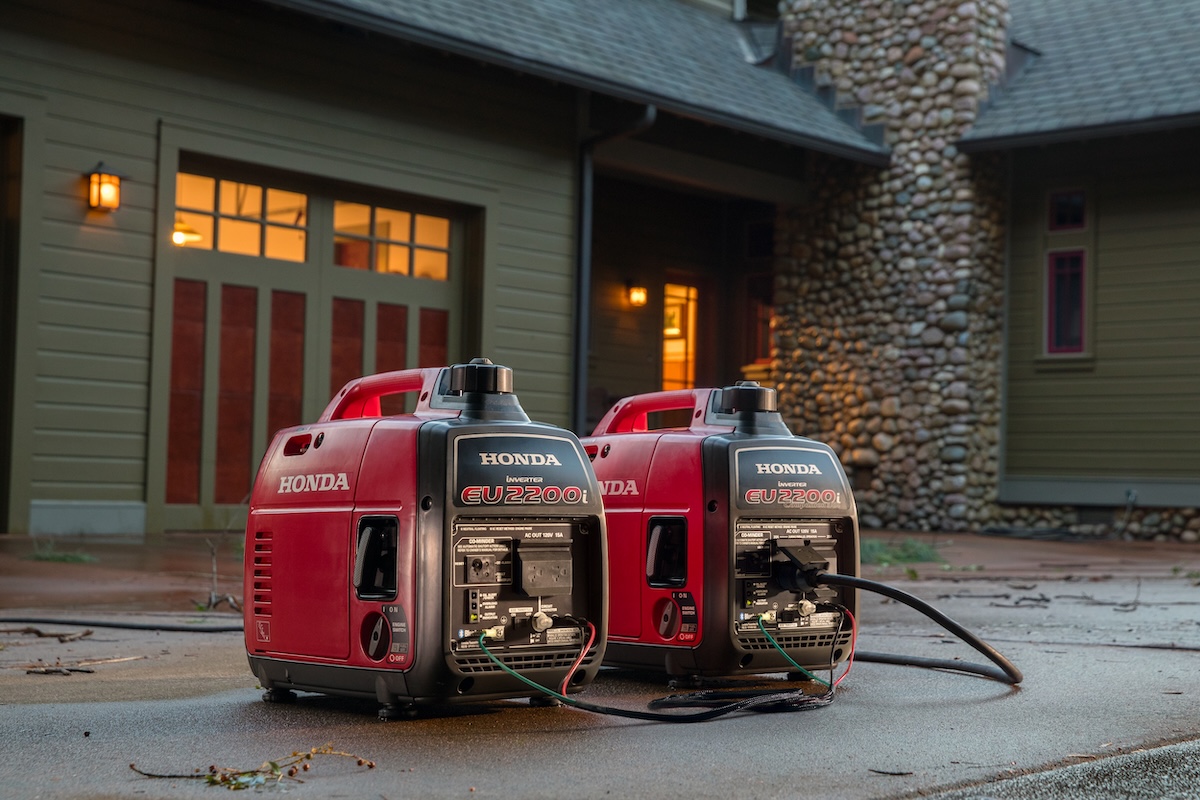
- EU Super Quiet: Closed-body, lightweight generators for efficient, quiet performance
- EM Deluxe Series: Electric start, remote start, large fuel tank for long run times, parallel capacity
- EG Economy: Straightforward, cost-effective generators with 120/240V selector switch and consistent power
Learn More About Honda Generators
Once a hurricane hits, it’s too late to start looking for a generator. Plan your emergency backup power before hurricane season starts to help keep your home protected. A portable generator can power appliances, medical devices, and comforts like lights and air conditioning.
Honda offers a wide range of generator sizes and styles. Shop Honda’s selection of inverter and portable generators or find a dealer to discover the right solution for backup power during a hurricane or tropical storm.
FAQs
What size generator do I need for a hurricane?
For most home backup needs, a generator with at least 5,000 watts is best for hurricane season. If you want to power multiple large appliances, you may need a generator with a more robust running wattage.
How do I prepare my generator before a storm?
Before a storm hits, make sure your generator is fueled up, check the spark plugs, and start it up briefly to check for any issues.
How far should a generator be from the house?
A generator should be at least 20 feet from your home while running to prevent toxic fumes from getting in through a window or vent.
Where should I place a generator during a hurricane?
Place your generator in a cool, dry location with a level surface. Avoid running your generator in the rain or in a confined space.
How can I avoid carbon monoxide poisoning?
Run your generator outdoors and away from your home to protect your family from toxic fumes. Additionally, install a carbon monoxide monitor to alert you of dangerously high concentrations.
Can I run a generator in the rain?
It’s generally best to avoid running a generator in the rain. If you absolutely have to, use a purpose-made weather cover that keeps moisture out while giving exhaust a place to escape.
What Honda generators are best for hurricanes?
Honda’s EU line of inverter generators offers a good selection of models for hurricane outages. The EU2200i offers enough power for electronics and a few small appliances, while larger models like the EU7000iS have enough power for home backup.